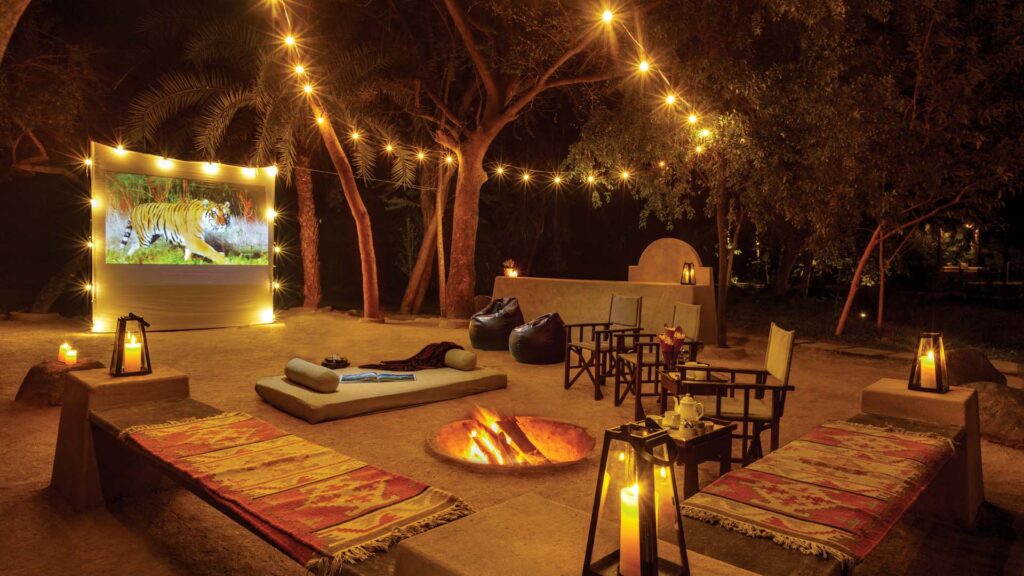
Think vacation—but trimmed like a designer blazer. Welcome to the microcation: bite-sized vacations tailormade to today’s fast-paced lives. The short getaway, typically lasting two to four days, trades length for intensity, rest for rush. And it’s not just a long weekend—it’s a re-engineered travel format for the burnout-prone, time-strapped, dopamine-hungry Indian urbanite.
Indeed, the travel industry’s most catalytic shift is happening on weekends. Coined circa the pandemic, the term ‘microcation’ exploded in popularity after lockdowns, becoming the new go-to for Millennials (aged 29-44) and Gen Z (in their 20s) looking to swap email pings for Himalayan winds—no HR approvals required. Propelled further by the remote work culture, these quick getaways—sometimes within the city or just a few hours away—fit snugly into weekends or long weekends, offering travellers the best of both worlds: a change of scenery and the ability to keep working, if needed.
As Devendra Parulekar, founder of SaffronStays, explains: “The concept of microcations—or as we call it, ‘holiday snacking’—has transformed how we market private villa rentals. Gone are the days when Indian families took long domestic summer vacations. Today, extended breaks are mostly for international travel, leaving 52 weekends and 13 public holidays a year—each a chance for a short, rejuvenating escape.”
Imagine telling your boss you’re off on a vacation—but it’s just for two or three days. Also, no jet lag, no laundry mountain, just a quick escape to refresh your soul and break the monotony. As Akshay Thusoo, Senior Vice President, Commercial, Sarovar Hotels, puts it: “Microcations aren’t a detour—they’re a new travel lane. It’s how India’s new earners and dreamers want to travel: short, soulful, and story-rich.”
Microcations have redefined how people plan and experience time away. With busy schedules, travellers aren’t always seeking long retreats—they want meaningful pauses, even for a weekend. Varun Nagpal, founder of Vianaar, explains, “This has reshaped not just travel but how the industry communicates. Marketing, once focused on property design or marquee amenities, is now far more experiential. Instead of showcasing architecture alone, brands highlight the little moments these stays enable: an unhurried breakfast under a tree, a glass of wine by the pool at dusk, a quiet morning of reading on the balcony. Through short-form storytelling, even the briefest stay can feel restorative. That immediate joy—squeezing soul and substance into a short span—is what people value most.”