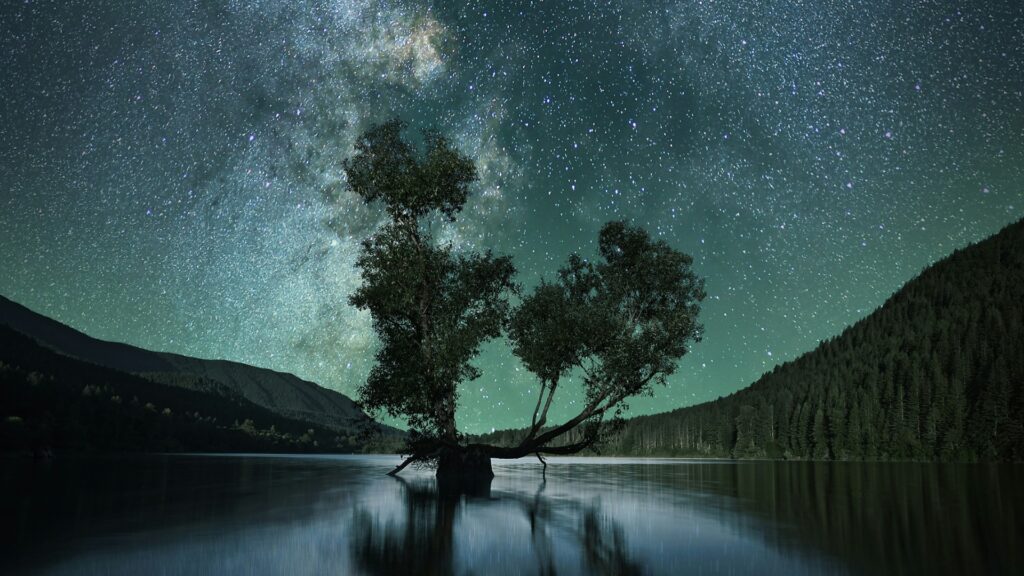
Light years away
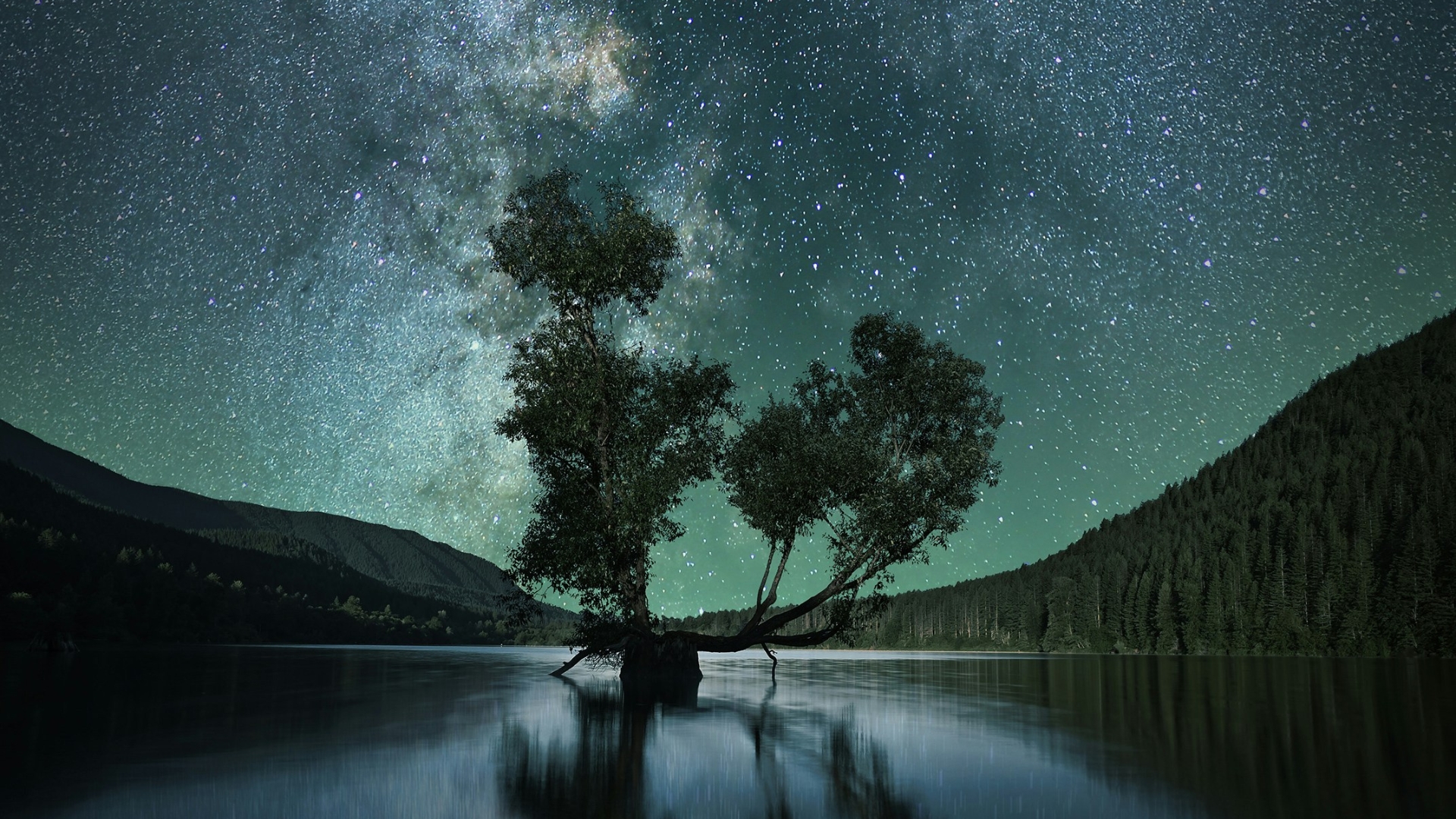
It was a ‘Star Party’ unlike any you might have been to. Yes, these were for the real stars, the ones that are light-years away and dot the night sky. India’s first dark sky reserve, Hanle Dark Sky Reserve, held this aforementioned Star Party, which brought together approximately 30 amateur astronomers from various parts of India to observe and photograph the pristine night sky, far away from the disruptions of light pollution, just about a year ago.
The Hanle Dark Sky Reserve (HDSR) is India’s first dark sky reserve, located in the Changthang Wildlife Reserve in Ladakh. Meanwhile, the Pench Tiger Reserve in Maharashtra was designated as India’s first Dark Sky Park earlier this year.
More places have applied for this recognition, leading to the expectation that astro tourism will gain traction. Starscapes, India’s leading astro tourism company, has collaborated with Magucho, an experiential travel platform founded by actor Gul Panag. Nakshatra Sabha, a collaboration between Starscapes and the Uttarakhand Tourism Board, held its initial event in October, and Magucho collaborated with them. According to Panag, “Our work with Starscapes helps us offer our community and users an opportunity to experience the magic of our universe. We are excited about hosting many more astronomy experiences for our customers.”
The Dark and Quiet Skies for Science and Society Working Group, led by the International Astronomical Union, has recommended the establishment of ‘Dark Sky Oases’ by national and local governments. According to Prabhu Nath Shukla, the deputy director of Pench Tiger Reserve, Dark Sky Place certification focuses on lighting policy, dark sky-friendly retrofits, outreach and education, and monitoring the night sky, helping promote the reserve as an ideal facility for astronomy enthusiasts.
Navigating the dark sky universe
Did you know that 80% of the world’s population lives under lightly polluted skies? While technology has made human life easier in many respects, there have been multiple disruptions too, including increasing pollution in different aspects of our existence. An oft-overlooked one is light pollution, which has seen our velvety dark skies disappear, especially in urban areas. Light pollution is now known to disrupt wildlife, impact human health, and even contribute to climate change, from an astronomical point of view, blocking our view of the universe. These skies have played an important role in human history, helping travellers crisscross the planet for millennia.
Less obvious, but perhaps just as important, is the role these skies have played in inspiring poetry across the ages. From Astronomia, a fragmentary ancient Greek hexameter poem that was astronomical in focus, to the quasi-spiritual poem The Light of Stars by Henry Wadsworth Longfellow, the night sky has held a powerful hold on humans, narrating their stories. Indeed, the English language has a special category for poems set at night—the nocturne.
This might seem to contradict most of the given understanding of what is ‘right’. Since times immemorial, ever since humans began formulating proto-religions, we as a species have been praying for the victory of the forces of ‘light over darkness’. Except, and perhaps in just as ancient a tradition, the night sky has been a sacrosanct ally, one that helped humans navigate the planet.
Excessive and improper lighting robs us of our night skies, disrupts our sleep patterns and endangers nocturnal habitats for all species. No surprise then that more and more regions around the world are prioritising saving or reclaiming the night sky—a rare instance where the superiority of darkness is upheld over ‘light’. In recent decades, many areas have been designated as ‘dark sky reserves’. The nomenclature differs: the International Dark-Sky Association (IDA) uses International Dark Sky Reserve (IDSR) and International Dark Sky Park (IDSP), while another designation, International Dark Sky Sanctuary, was introduced in 2015. The purpose of the dark-sky movement, however, is common—to promote astronomy.