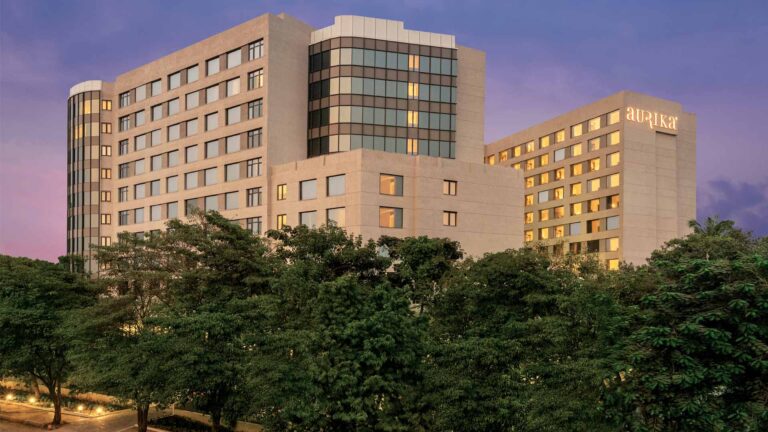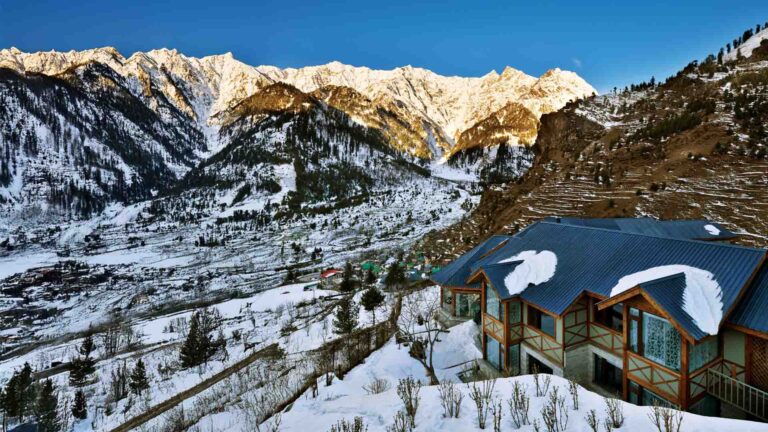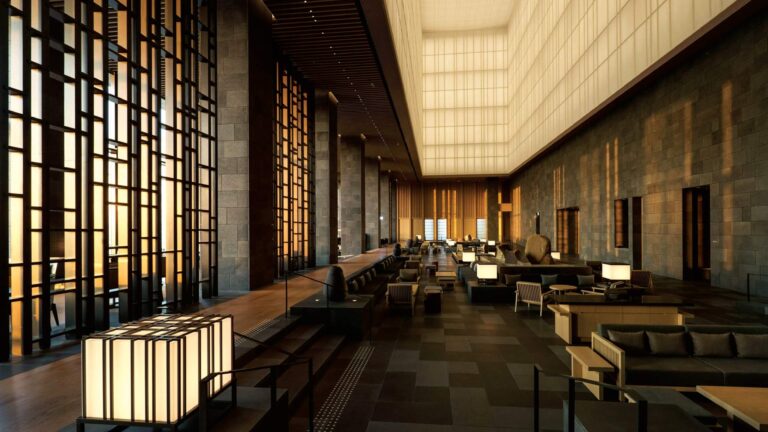
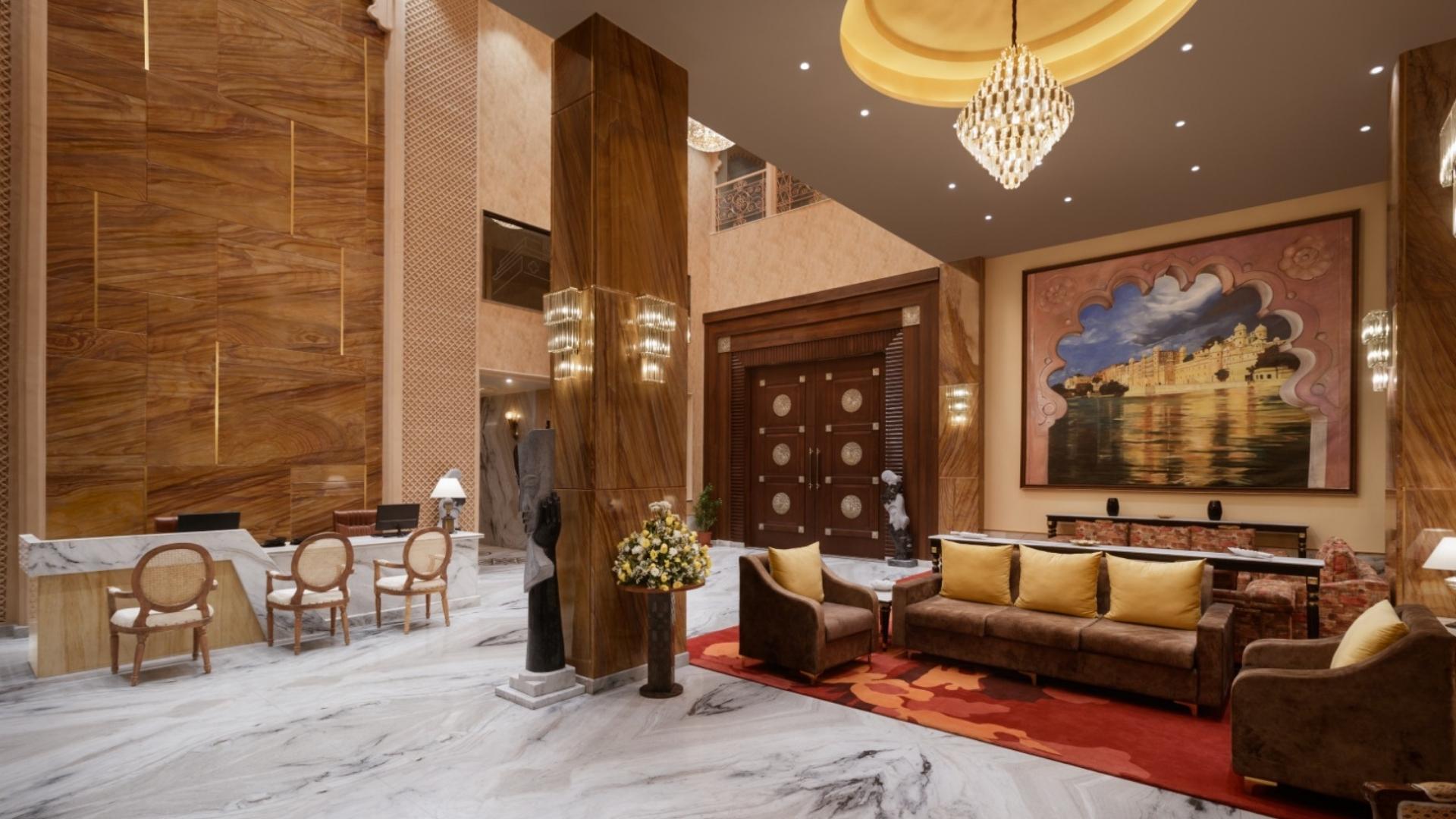
Straddling the boutique space, jüSTa Hotels & Resorts has leveraged art to create a distinct identity in the increasingly crowded Indian hospitality arena. With a deep-rooted passion for creativity, the Bengaluru-based group helmed by Ashish Vohra—set to mark two decades of operations in 2025—has integrated art as a defining pillar of its brand.
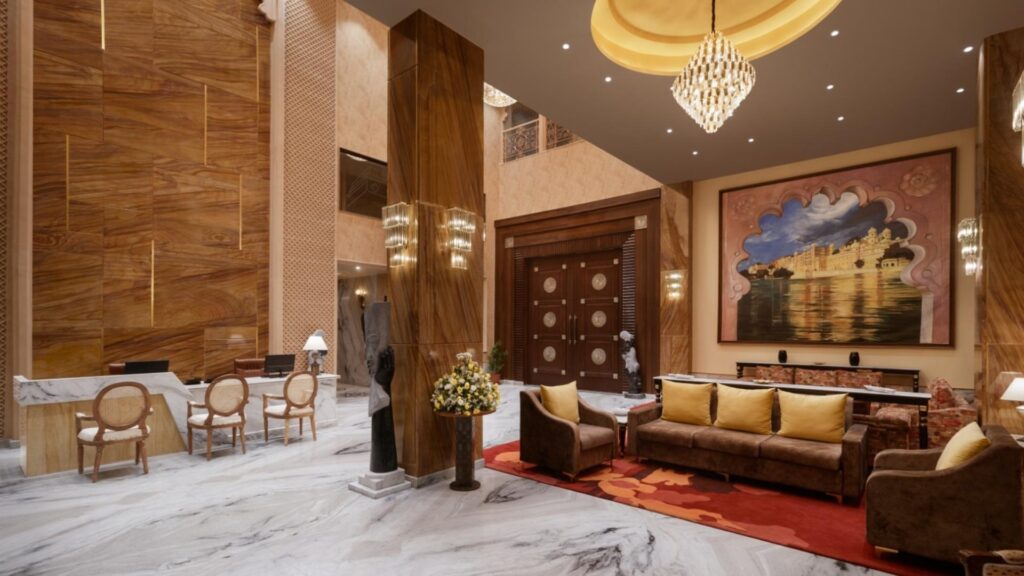
Carving a niche in hospitality and making it viable—isn’t the easiest of paths. Positioning, even focusing, a brand around art is pretty rare though. And yet jüSTa, with an annual residency programme that brings together artists worldwide, does just that.
The Bengaluru-headquartered group, which is marking two decades of operations in 2025, has 30 hotels under three brands—jüSTa, Bookmark and NUO, spread across 11 states. It is at jüSTa that the owners have furthered their passion for art in its hotels. To this end, the group has been hosting an annual art residency, Chitraashala, which just marked its 10th year. 60 artists, 34 of whom came from different countries, attended the event hosted by the hotel for a week.
“We are not a cookie-cutter brand,” points out Ashish Vohra, founder and CEO of jüSTa Hotels & Resorts. “One of the reasons we have got all the people here is that we want to be associated with and own that art positioning very honestly. Unless you communicate it and people talk about it, that association is never reinforced. And that’s the idea. I think it is truly a differentiator for us. That makes us feel proud.”
Interestingly, the programme, which started about a decade ago, urges participating artists to create artwork during their residency, though it is not mandatory. The artworks, acquired by the group, are displayed at jüSTa hotels across the country.
Vohra, who is passionate about this artistic endeavour, leads the initiative along with his fashion designer wife, Deepika Govind, who also handles design and interiors for the group. “Art creates an identity,” he says. “Over time, it can only get strengthened.”
A former executive with the Oberoi Group, Vohra’s foray into art was circumstantial. “In 2006-07, I had gone to China to purchase some things for a hotel along with a partner, and we thought the art was very cheap and we bought it. We put it up in one of the hotels. A friend who was visiting looked at them and said, ‘Where did you pick up this trash from?’ I was perplexed because I had no art sensibility. He mentioned heading to Shantiniketan near Kolkata and asked me if I would like to come along. I went with him and we visited at least 10 galleries.”
Vohra recollects being not just impressed by the range of art on offer, but also by how inexpensive it was.
“I was amazed and touched with the level of creativity— and the amount of poverty.” Amongst the artists was someone whose wife was pregnant and he needed ₹50,000. He promised to give me whatever artwork I wanted. “I said I’ll send you the money and you send me whatever artwork you want to send me. It was just a human decision, (made at the) spur of the moment. He sent me almost 25 to 30 artworks,” says Vohra. “Something struck me, and my wife and I instituted a small scholarship for some of these guys. We started paying ₹1,500 rupees each to three boys every month. We realised some of them were poor and needed financial help.”
Today, that fledgling art initiative, which began with an art residency in 2009, is a much-anticipated event in the annual calendar for many artists.
Vohra sponsors the stay for artists who need financial assistance. “The moment you leave the top end of the spectrum of people who buy art or people who are A-listers in the art world and go down one or two levels, the costs are not so prohibitive. Yet the value artists deliver in terms of expense, experience or visual delight is phenomenal. Every year we buy 100 to 200 pieces of artwork for all our hotels. Ideally, we want each of our hotels to have a few artworks on display, which we can sell to help the artists.”
He is still to make up his mind about a gallery-like space. “What we are intending to do now is to create a sinking fund. A lot of artists fall on hard times. A lot of them require financial assistance. A lot of them are looking for some support or the other.”
At jüSTa Rasa, Rishikesh, where the latest edition of Chitraashala was held, a joyous week of creativity resulted in a plethora of artworks. Artists came from countries across the world—from Japan, the US, Thailand, Turkey, Egypt, Poland, Spain, Jordan, Netherlands, Romania, Ukraine, Mauritius, Italy, Finland and more, besides different parts of India. Their diverse backgrounds and ethnicities notwithstanding, they were united in expressing themselves in various forms.
Even as they painted their surroundings (the majestic Himalayas formed the backdrop for this edition of the residency, which is held in a different jüSTa hotel each time), or on themes such as friendship, or even each other, a cursory glance revealed an overall desire for a more cohesive existence—a power of creativity via art and a gratefulness for a platform jüSTa provides.